Digital Manufacturing Consultancy: Andea Delivers It End to End
Most manufacturers know they need to digitalize. Fewer know where to start, which technology actually fits their operation, or how to build a business case that survives a CFO review. Andea is a manufacturing consulting practice that guides producers through digital transformation at every stage of Industry 4.0 - from the first honest assessment of where you stand through deployment, integration, and making the change stick on the floor.


What digital manufacturing consultancy covers
Digital manufacturing consultancy is the work that connects your production operations to digital systems - MES, APS, system integration, and manufacturing intelligence. These are the systems behind Industry 4.0 and smart manufacturing: the layer that turns a shop floor into one that reports its own data in real time and runs on it. A good consultancy understands how your production environment actually works, designs the right solution for it, handles the integration into your existing ERP and equipment, and stays through deployment until the results show up on the floor. The recommendation and the delivery come from the same hands.
Andea has delivered 810+ projects across 90+ manufacturers in nine industries. The work spans assessment, solution design, implementation, multi-site global rollouts, automation integration, manufacturing intelligence, and long-term maintenance. Most clients engage Andea from the first conversation through go-live. Some come in after an implementation has stalled or a previous provider has left gaps.
Why Andea is built differently from most consulting firms
Andea is a specialist digital manufacturing consultancy. Every consultant works only in manufacturing operations, and the team that builds your solution is the team that supports it.
Three structural differences set the practice apart from generalist consulting firms:

Andea consultants do not rotate between banking, retail, and healthcare engagements. Every project, every industry, every year is manufacturing operations. Domain depth here comes from a staffing policy that keeps every consultant in manufacturing.
The consultants who design your solution configure it. There is no handoff from a strategy team to an implementation team, and no knowledge lost between phases. The person who mapped your production processes in week two is the person deploying the system months later.
After go-live, the consultants who built your implementation handle support, optimization, and expansion. When something breaks at 11pm before a production run, the person who answers has been inside your system.
Large consulting firms bring brand credibility and global scale. They also rotate teams across industries, sell at the partner level and deliver at the analyst level, and hand over roadmaps that need a separate integrator to execute. Andea suits manufacturers who need a partner to deliver the work, through to a running system.
Assessment
Andea runs a readiness assessment of your production environment, maps existing systems, and identifies gaps before you commit to scope or budget. The output is a digital transformation roadmap – what to do, in what order, and what it will take. If you need to build an internal business case first, the 📈 MES Value Discovery – Clear MES Roadmap | Andea service is structured for exactly that.
The assessment is priced in mandays against an agreed scope. It includes shopfloor walkthroughs, data audits, and stakeholder interviews across operations, IT, and leadership. Quick wins are identified and scoped as part of the output. For a contained scope, Andea also runs a proof of concept structured to take up to two weeks.
Solution design
Andea designs the solution configuration against your actual production processes. Every design is validated against operational requirements before configuration begins. Nothing is built against a generic template.

Implementation
Andea manages the full implementation: configuration, system integration across ERP and shop-floor automation, testing against production scenarios, operator training, and go-live. The same consultants who designed the solution build it. Implementation runs 4–9 months for a single site.

Global deployments
Andea manages multi-site rollouts across Europe, North America and South America. The deployment framework is built around a single validated template distributed to each new facility – site five gets the same playbook as site one. Multi-site programs run 1–2 years structured in phases.
Getting past the pilot
McKinsey found that only about 30% of manufacturing digital pilots reach scale across the organization; the rest stall in what it called pilot purgatory (McKinsey, Digital Manufacturing: escaping pilot purgatory). The failures are rarely technical. A pilot built only to prove the concept tends to skip what scaling actually requires: a governance model, a unified data architecture, and a change management plan for the second and third facility.
Andea designs for scale from the start. Pilot on one facility, validate against the baseline, then push the same solution to additional sites without rebuilding anything.

Automation and machine integration
Andea builds the shop-floor connectivity that links your production systems to the equipment underneath. Machine data flows into the MES as real-time data, replacing end-of-shift manual entry. Integration covers both modern equipment and legacy machines running older protocols. The scope is defined during the assessment phase and built into the implementation plan from day one.
Manufacturing intelligence
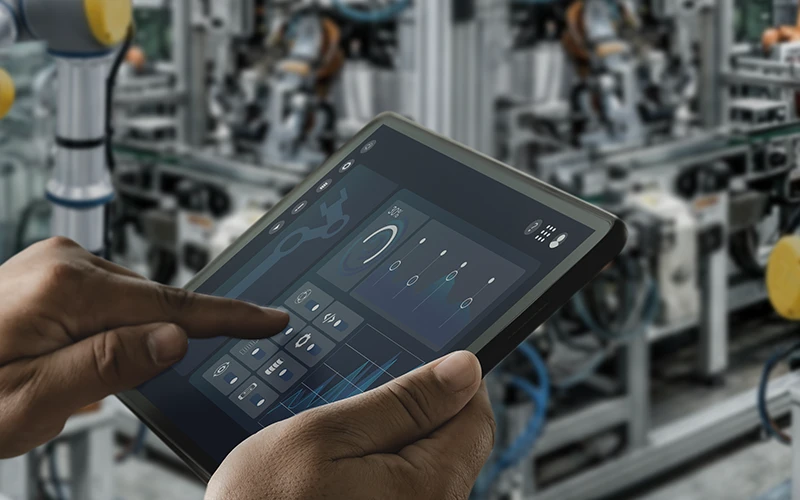
Andea builds the manufacturing analytics layer – KPI dashboards and reporting that connect production data to OEE, on-time delivery, WIP, throughput, and quality metrics, with real-time visibility for operations managers and plant directors. Each dashboard is configured against your real production KPIs and points at one thing: the operational efficiency gains that justify the program. The aim is to surface the handful of numbers that drive decisions, and leave the rest in the source system where it belongs.
Application maintenance
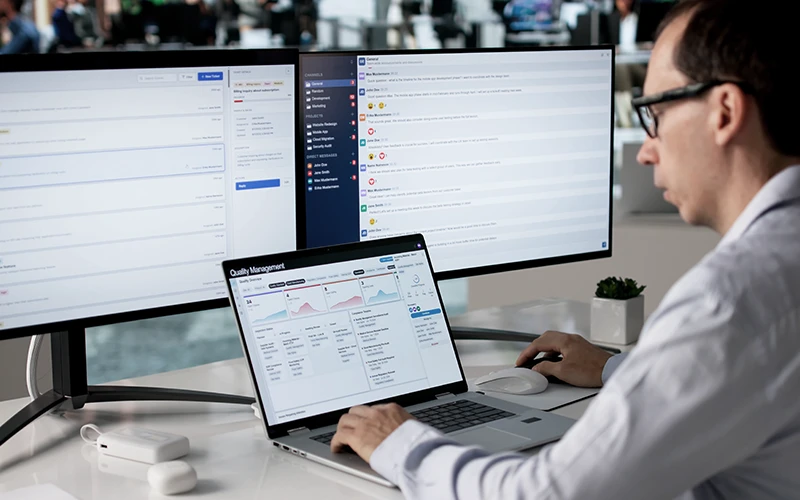
After go-live, Andea's maintenance team takes over L2 support, application development, and database administration. Andea maintains systems it built and systems built by other providers – the onboarding process is the same either way. More than half of Andea's active maintenance clients came from other providers. If a previous implementation was left incomplete or underdocumented, Andea starts with a system audit before taking on the support contract.
Why change management determines the outcome
Most digital manufacturing programs miss their ROI targets for an organizational reason: the workforce does not adopt the system. The technology runs as designed, and the benefit still fails to land.
The pattern repeats across projects. Operators fall back on manual workarounds because the system was built around IT requirements while the shopfloor works a different way. Managers stop opening dashboards because the metrics on screen have nothing to do with how their performance is measured. The data stays accurate, and the reports stay closed.
Andea builds change management into the engagement from the first week, woven through solution design from the start. In practice that means operations, IT, and leadership agree on target KPIs and process changes before anything is configured, and shopfloor operators take part in user acceptance testing and sign off on the workflows they will run before go-live. When operators help validate a system, they go on to use it.
It is also why Andea designs for phased expansion. A validated pilot on one site, with operators who trust the data and managers who rely on it, gives a plant director the strongest case to take to the board for funding sites two through five.
Ten industries, one consistent approach
Andea has delivered digital manufacturing projects across ten industries worldwide. To keep that list clear and comparable, we've organized it using the Global Industry Classification Standard (GICS®), the taxonomy built for exactly this kind of comparison. The methodology stays the same from one industry to the next. What changes is the configuration, the compliance requirements, and the KPIs that matter most.
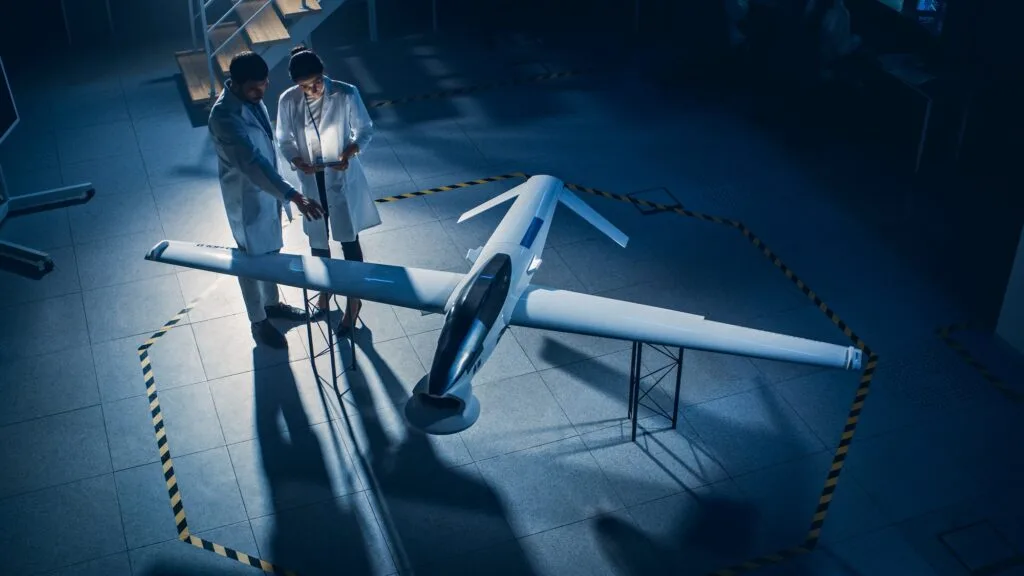
1. Aerospace & Defense
GICS: Industrials – Capital Goods – Aerospace & Defense
Full traceability from raw material to finished part is non-negotiable, usually against AS9100 and NADCAP requirements. Serialized traceability, non-conformance handling, and electronic work instructions tied to revision-controlled engineering data sit at the center of the work.
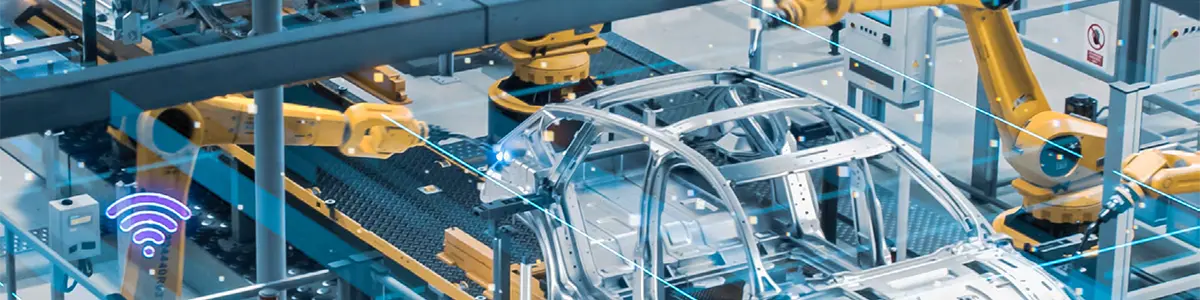
2. Automotive
GICS: Consumer Discretionary – Automobiles & Components
High-mix, high-volume production runs under IATF 16949. Finite-capacity scheduling and tight integration between the production system and assembly-line equipment drive the build, with OEE improvement and scrap reduction as the KPIs that matter most.
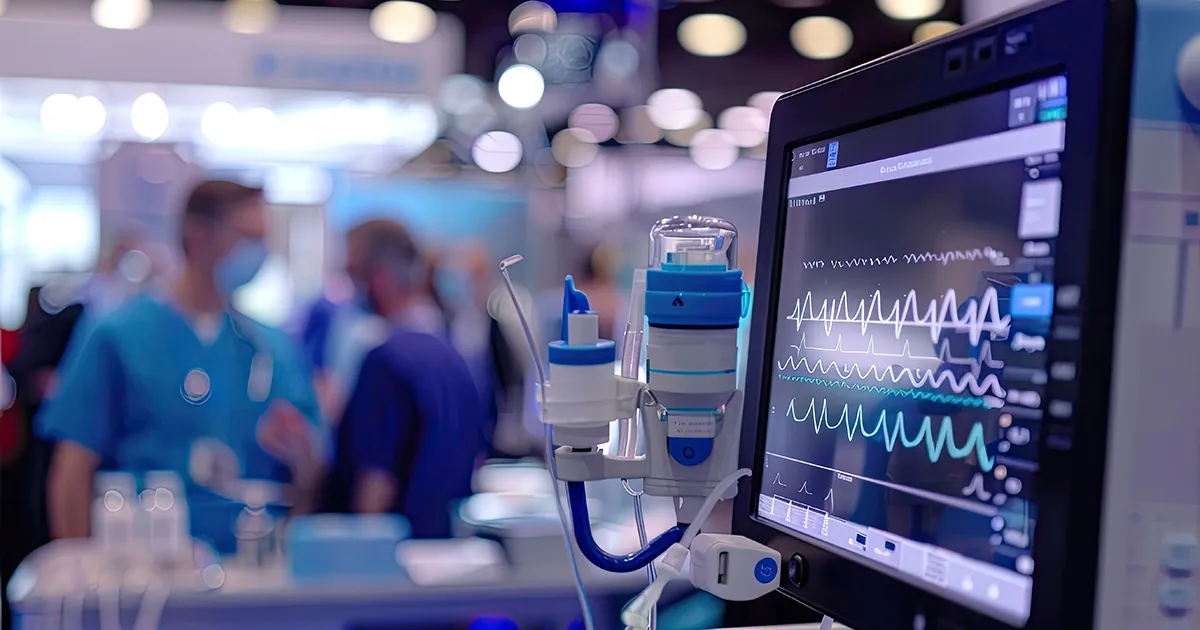
3. Medical Devices
GICS: Health Care – Health Care Equipment & Services – Health Care Equipment & Supplies; sub-industry: Health Care Equipment
Regulated, validated environments governed by frameworks such as 21 CFR Part 11 leave no room for shortcuts. Electronic records and batch traceability are mandatory, and every system change carries a documentation burden.
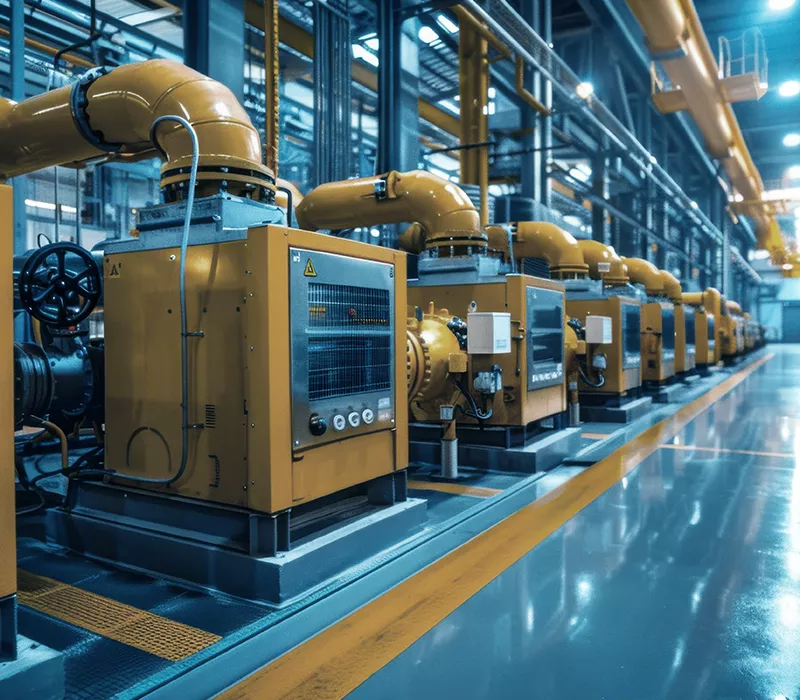
4. Industrial Machinery
GICS: Industrials – Capital Goods – Machinery; sub-industry: Industrial Machinery & Supplies & Components
Multi-level bills of material and frequent engineering changes shape the requirements. Integration with CAD and PLM systems keeps production data aligned with the latest design revision.

5. Packaging
GICS: Materials – Containers & Packaging
High SKU counts and frequent changeovers drive scheduling complexity across rigid containers and flexible packaging alike. Material traceability across substrates becomes the recurring technical demand.
6. High Tech
GICS: Information Technology – Technology Hardware & Equipment and Semiconductors & Semiconductor Equipment
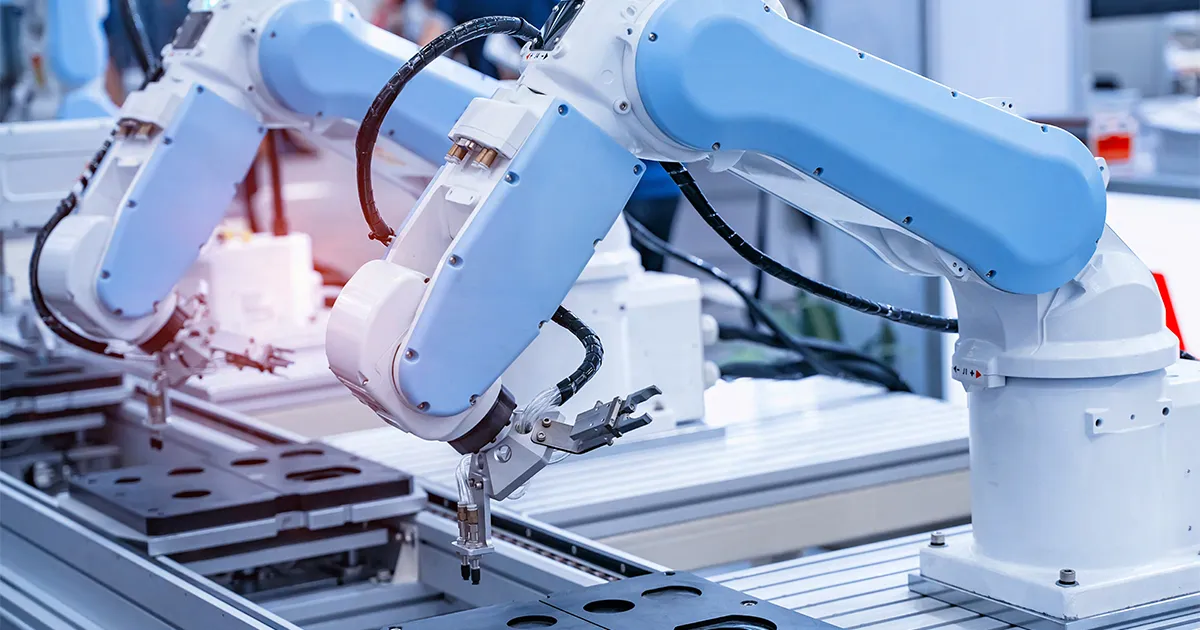
Short product cycles and component-level genealogy define the floor, often against workmanship standards such as IPC-A-610. Frequent engineering changes keep CAD and PLM integration a constant requirement.

7. Clean Energy
GICS: Industrials – Capital Goods – Electrical Equipment; sub-industry: Electrical Components & Equipment
Component and batch traceability across frequent design revisions sit at the center of the floor. Configuration management keeps pace with fast-moving component specifications.
8. Electrical Equipment Manufacturing
GICS: Industrials – Capital Goods – Electrical Equipment, spanning both the Electrical Components & Equipment and Heavy Electrical Equipment sub-industries
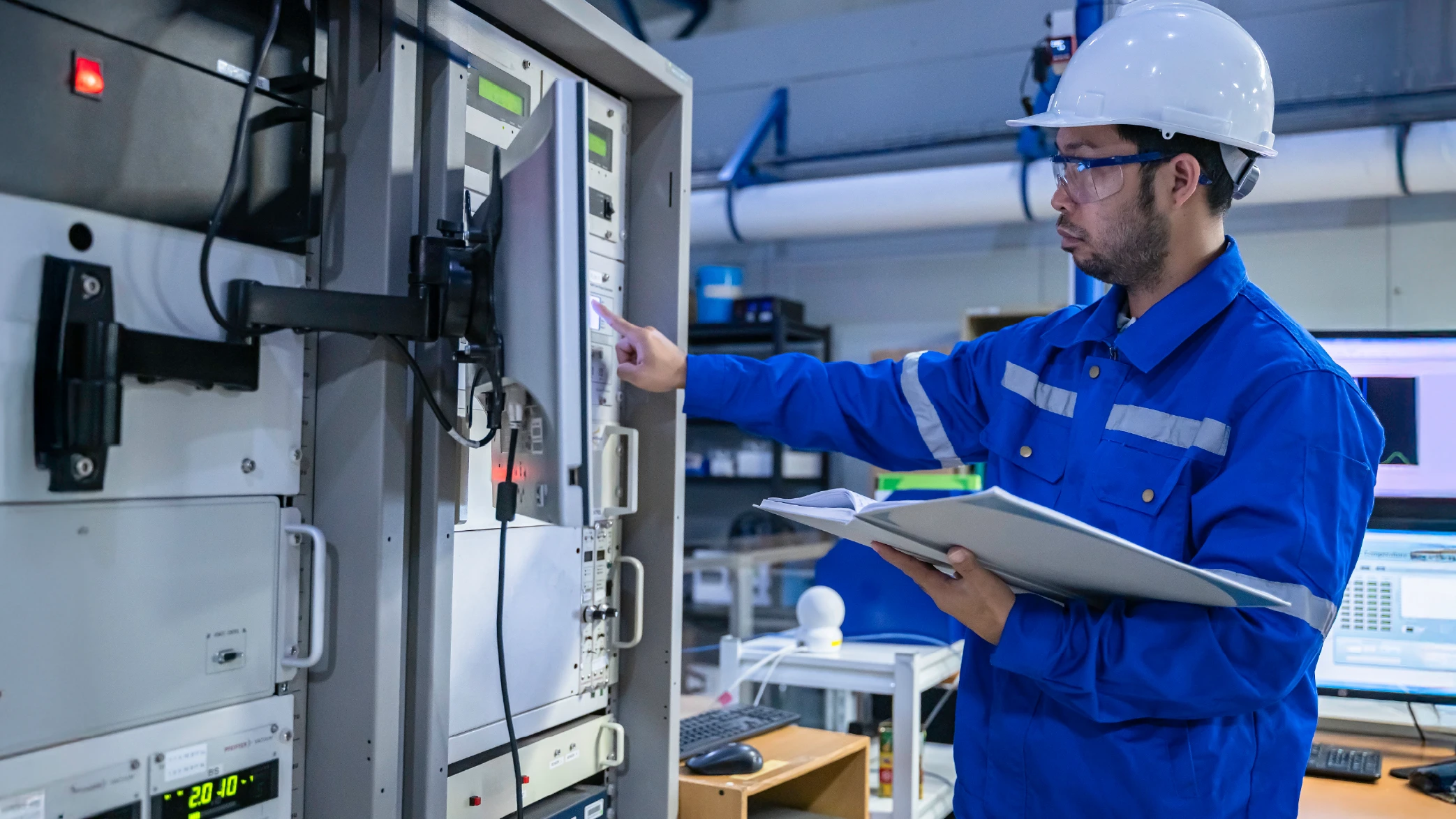
Unit-level traceability and documented routine testing are mandatory under standards such as IEC 61439 and UL 508A for switchgear, controlgear assemblies, and industrial control panels. Configurable, engineer-to-order bills of material and tight integration with engineering documentation drive the build.

9. Cosmetics
GICS: Consumer Staples – Household & Personal Products – Personal Care Products
Batch and recipe management sit alongside allergen and ingredient traceability requirements under Regulation (EC) No 1223/2009. Every reformulation ripples through the bill of material.

10. Food & Confectionery
GICS: Consumer Staples – Food, Beverage & Tobacco – Food Products; sub-industry: Packaged Foods & Meats, since GICS has no dedicated confectionery category
Shelf-life traceability, allergen controls, and HACCP-based food safety programs dominate the use cases here.
Andea configures the solution against these sector-specific requirements from the start. The work begins from your industry, with sector knowledge in the build from day one.
What Magna and Autoliv say about working with Andea
Andea has delivered manufacturing systems work for two of the largest automotive suppliers in the world.
Magna, the world's third-largest automotive supplier and the largest in North America, worked with Andea to improve the performance and reliability of an existing manufacturing system, including process optimization and configuration improvements.
Autoliv, the world's largest automotive safety supplier, brought Andea in to deliver a customized solution under tight timelines for a global test and prototype facility.
"Andea has a broad knowledge and experience with Apriso. With their help, we were able to increase the performance and reliability of our existing MES implementation and improve our business processes and efficiency. We consider Andea a very flexible and capable partner."

"Andea was tasked with delivering a unique and highly customizable solution against very tight timelines. Because of their experience and dedication, we were able to deliver successfully. They are a trustworthy partner that Autoliv can safely recommend to others."

How to evaluate a digital manufacturing partner – and where Andea stands
The wrong choice produces strategy documents with no implementation path, or technology recommendations shaped by the consultant's vendor partnerships.
A digital transformation that never improves operational efficiency is a common and expensive outcome. The criteria below are what Andea is evaluated against in every competitive selection.
- Manufacturing shopfloor experience – the team should have worked inside manufacturing environments, with hands on the actual systems
- Full-lifecycle capability – assessment, deployment, and post-go-live support, with a partner who stays past the roadmap
- Structured engagement methodology – a documented approach for assessment, solution design, and deployment phases
- Industry vertical experience – sector-specific process knowledge matters, since automotive scheduling and pharmaceutical batch management are different problems with different rules
- Change management capability – workforce adoption is where most programs fail; ask what their change management approach looks like in practice
- Verifiable references – ask for case studies from comparable manufacturers with named outcomes
- Transparent pricing – clarity on time-and-material vs. fixed-bid, and how scope changes are handled
- Recommends specific technology in the first meeting without running a structured assessment
- Deliverables stop at presentation decks with no implementation pathway
- No manufacturing operational experience on the core delivery team
- ROI projections that match vendor benchmark claims exactly, with no documented methodology
- No case studies from comparable manufacturers in your sector
How much does digital manufacturing consulting cost?
The cost follows the work. A package set before anyone has seen your floor can't tell you much. What moves the number is concrete: the count of production sites in scope, how many external systems the solution has to integrate with, and how much custom configuration your processes demand. A single-site assessment sits at one end. A multi-site program integrating ERP, automation, and custom configuration sits at the other.
The figure is set after an on-site assessment of your production environment. That assessment is also where the business case gets built, so you see the expected return before committing to the full program.
Digital Manufacturing Consultancy – frequently asked questions
The questions below cover the decisions manufacturers face most often when evaluating a digital manufacturing consultancy.
Digital manufacturing consultancy covers the advisory, design, and implementation work that connects your production operations to digital systems – manufacturing execution, production scheduling, system integration, and manufacturing analytics. The work runs from the initial readiness assessment of your environment through deployment and long-term support. It is also called manufacturing consulting or smart manufacturing consulting in some markets.
A digital manufacturing consultant assesses your operational readiness, designs the right solution for your environment, manages implementation, integrates shop-floor systems, and provides support after go-live. At Andea, the same consultants cover advisory and technical delivery – not separate strategy and implementation teams.
A Manufacturing Execution System manages what is happening on the shop floor right now – work orders, production tracking, quality, traceability, machine connectivity. An Advanced Planning and Scheduling system handles the planning layer – finite-capacity scheduling, demand planning, production sequencing. ERP handles business logic. MES handles execution. APS sits between them.
Single-site implementations run 4–9 months. Multi-site global rollouts run 1–2 years, structured in phases. Andea starts with a pilot on one site, validates the solution, then scales to additional sites.
When your ERP lacks real-time shop-floor visibility. When delivery performance or quality issues are creating competitive pressure. When you operate in a regulated industry – Aerospace, Medical Devices, Automotive – where traceability is non-negotiable. MES readiness matters first: clean master data, standardized processes, and leadership alignment are prerequisites. Andea's MES Value Discovery service assesses readiness before you commit.
Yes. Andea designs implementations for phased expansion from the start. The GPM deployment module in DELMIA Apriso distributes and syncs solution changes to additional sites without rebuilding for each facility.
Yes. More than half of Andea's active maintenance clients came from other providers. The onboarding process is the same either way.
Aerospace & Defense, Automotive, Medical Devices, Industrial Machinery, Packaging, High Tech, Clean Energy, Electrical Equipment Manufacturing, Cosmetics, and Food & Confectionery.
Yes. DELMIA Apriso integrates with SAP S/4HANA and SAP ECC. Andea designs and builds the integration layer covering production orders, material movements, quality notifications, and master data. Every project that touches SAP has this scoped from day one.

Andea credentials
- Certified Dassault Systèmes Consulting & System Integrator and Value Added Reseller
- SOC 2 Type II certified for data security and operational controls
- 810+ completed projects across 280+ production sites in nine industries, since 2014
- Offices in the United States, Poland, Germany, and Mexico

Read more from Andea
Most MES projects that disappoint were set up to disappoint long before a vendor was chosen. See where the preparation usually breaks down:
🌟 MES Implementation Risks: Success Starts Before RFP
Aerospace lives and dies on traceability and audit-readiness. Here is how digital manufacturing plays out in that world, with real SNC and Bombardier examples:
Top aerospace manufacturing software solutions.
Building in a regulated, validated environment changes what your software has to prove. This is what medical device manufacturers need from an MES, and why:
Why MedTech companies need medical device manufacturing software

Evaluating digital manufacturing for the first time, upgrading an implementation that has outgrown its original design, or switching from a provider who does not know the platform – book a short call with Andea.
Let's talk about where you stand. And how to get you to where you want to be.